Why Great Projects Are Built by Teams, Not Individuals
Discover why great projects depend on more than individual talent by exploring how interdependent work connects different contributions, why individual excellence alone does not guarantee project success, how coordination turns separate efforts into collective performance, and the role team culture plays in helping people work effectively toward a shared goal.
Written byFadil OlaoluwaSeptember 8, 20264 min read430 views
Behind almost every great project is a group of people whose contributions may not all be visible in the final result.
We often associate successful projects with the person who came up with the idea, led the project, designed the product, or stood at the front when it was finally completed. But a project that looks like the work of one person is often the result of many people contributing different skills, perspectives, and responsibilities.
An idea may come from an individual. But bringing that idea to life is usually a team effort. In this article, we explore why team projects have an advantage over working alone.
Professionals brainstorming on a transparent whiteboardGreat projects require different skills
No matter how capable one person is, there are limits to what one individual can know, manage, and execute effectively.
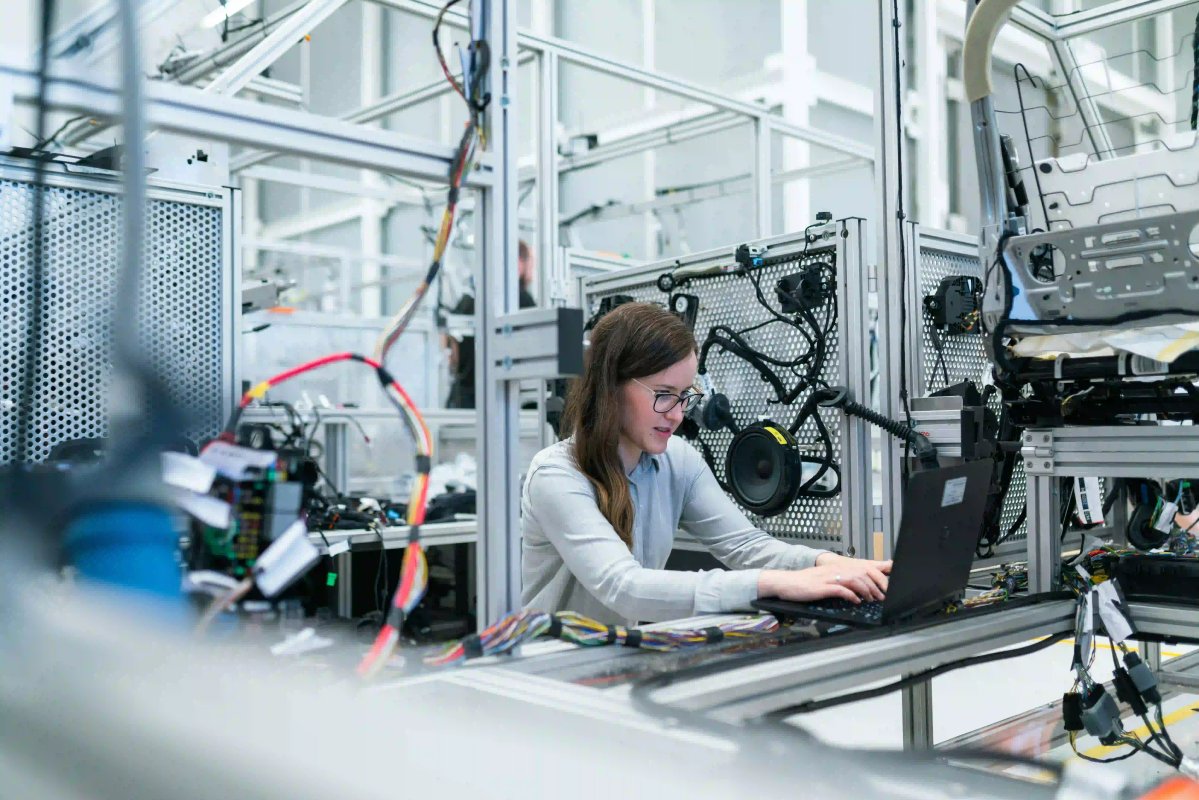
A software project, for example, may require developers to build the system, designers to think about the user experience, testers to identify problems, and project managers to coordinate the work and keep everyone moving toward the same objective.
Each person is responsible for a different part of the project.Instead of expecting one person to know everything, a team brings together different capabilities and allows those capabilities to work toward one outcome.
Different perspectives make projects better
Working alone means most decisions are being viewed through one person's perspective. That can be useful when developing an initial idea, but it can also create blind spots.
A team introduces different ways of looking at the same problem.
One person may notice a technical issue. Another may identify a problem with the user experience. These differences can lead to better questions, and better questions can lead to better solutions. The goal isn't for everyone to think the same way; it is to bring different ways of thinking together around the same problem.
A project needs coordination, not just talent
Having talented people on a project does not automatically make the project successful. Imagine having five highly skilled people working on the same project, but none of them knows exactly what the others are doing.
One person completes a task that another person was already working on. Another decides without communicating it to the rest of the team.
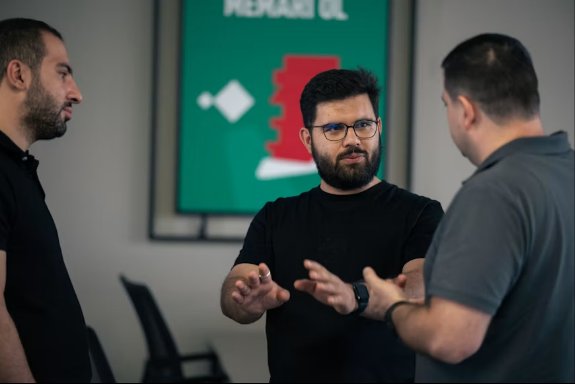
Someone discovers a problem but doesn't know who is responsible for resolving it. The problem is no longer a lack of talent; it is a lack of coordination. A project requires people to understand not only what they are responsible for, but also how their work affects everyone else's. Team mates discussing
The success of one person can depend on the work of another
Think about building a mobile application. A designer may create an excellent interface, but the application still needs to be developed.
The developer may build the functionality, but the product still needs to be tested. The tester may discover a critical issue, but someone has to fix it. The project manager may coordinate all of this, but they depend on everyone completing their responsibilities.
No single contribution is the entire project. Each contribution becomes valuable because it connects to another. This is what makes teamwork different from simply putting several people in the same room. A team is not just a collection of individuals. It is a system of connected contributions.
Conclusion
Great projects are bigger than their creators; a great project may start with one person's idea. But ideas need different skills to become reality.
They need people who can challenge assumptions, solve problems, build, test, coordinate, communicate, and improve what has already been created.Because behind the finished product is often a network of people whose individual contributions became meaningful because they were connected.
Great projects are not built by eliminating individual excellence. They are built by bringing individual excellence together. And when the right people, the right culture, and the right shared purpose come together, a project can become much greater than what any one person could have built alone.